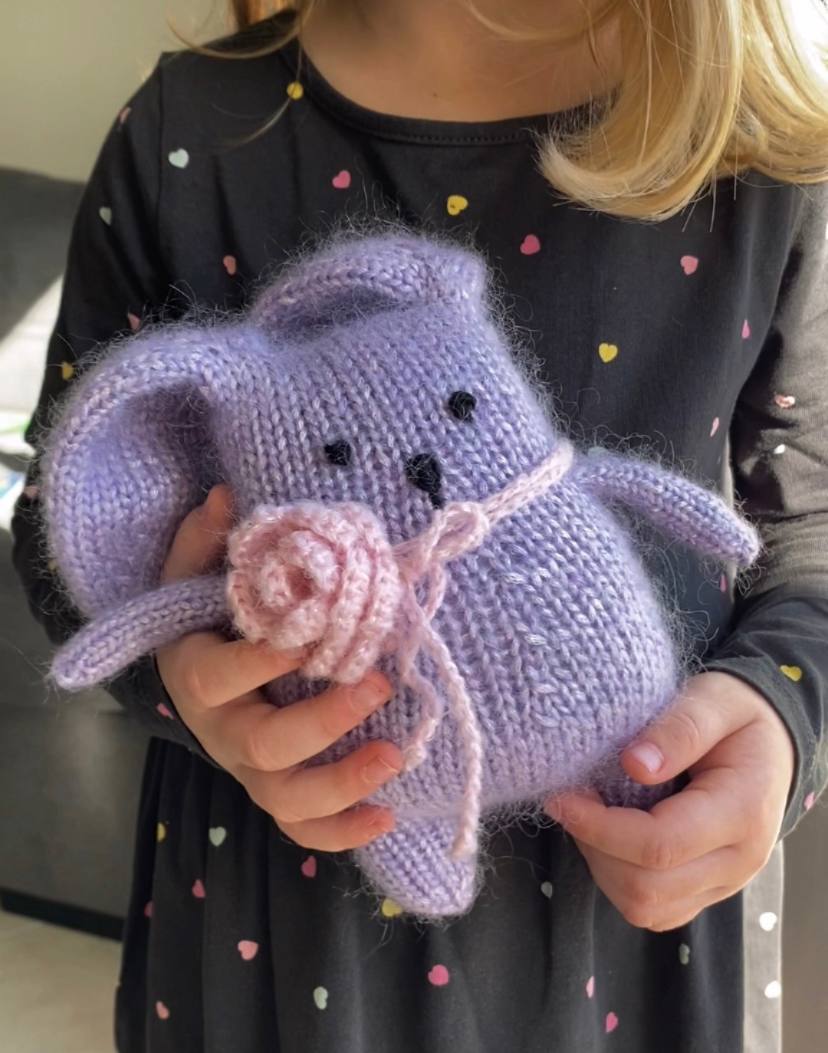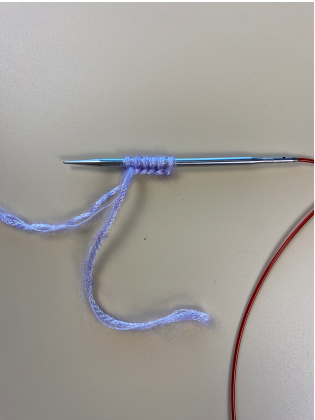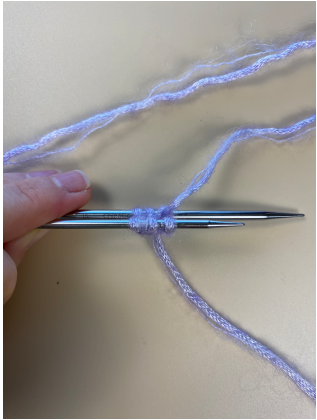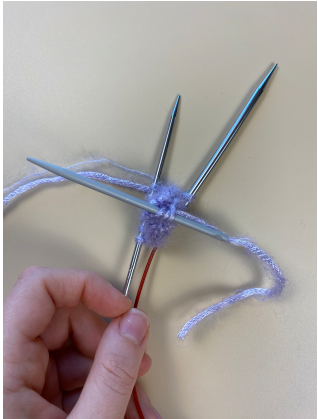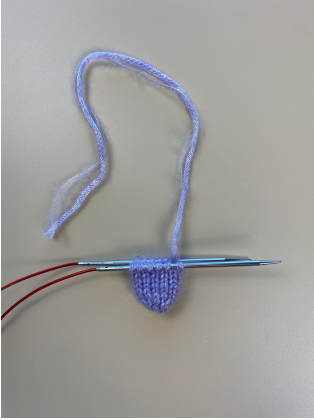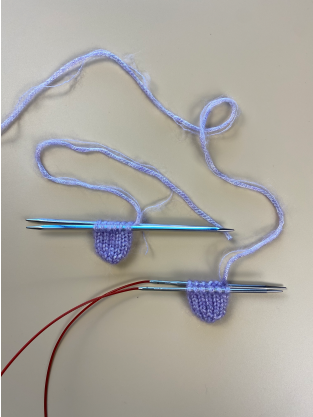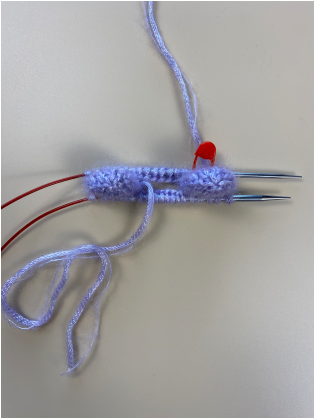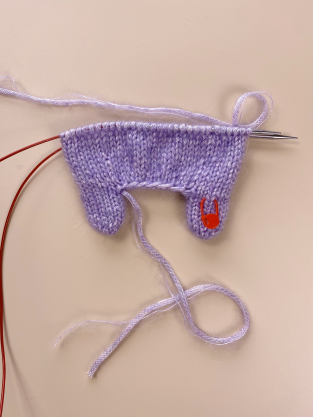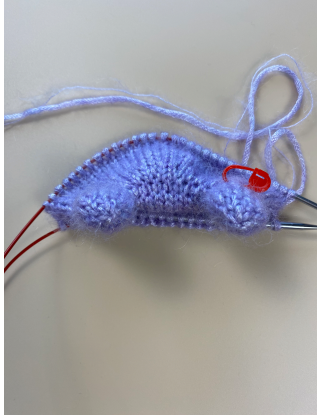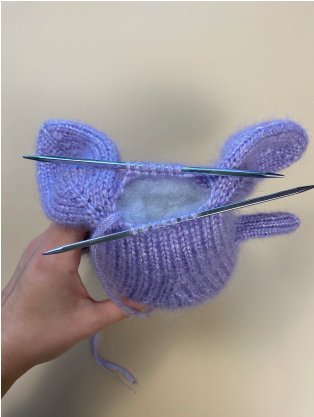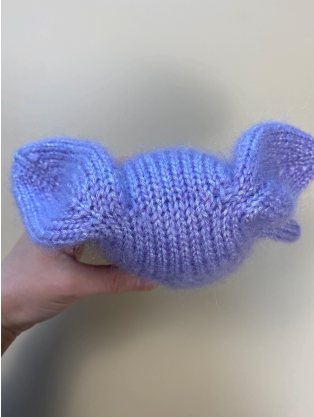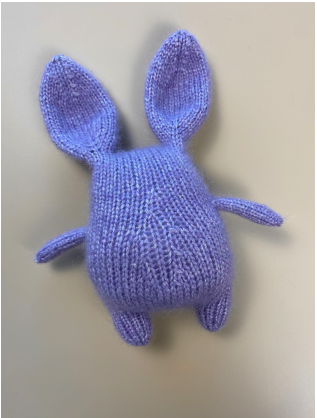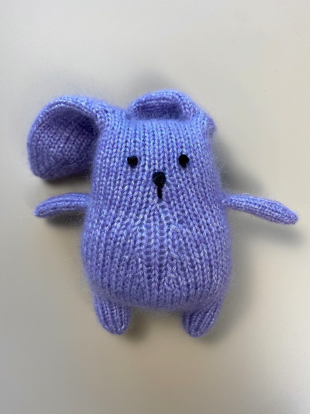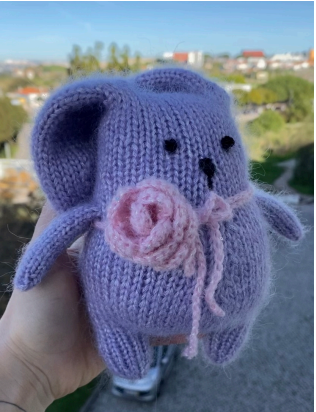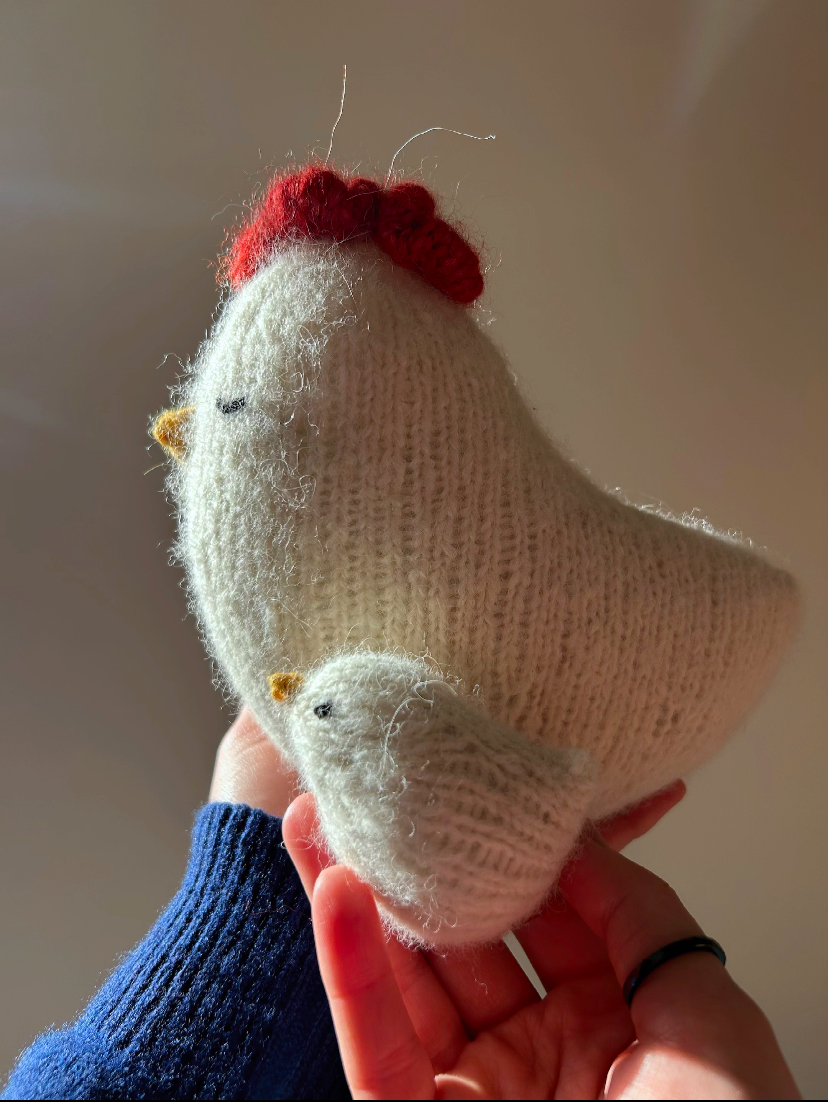
There’s something magical about knitting a toy. Unlike scarves or sweaters, knitted toys seem to come to life in your hands! Whether you’re making a cuddly bunny for a little one, a quirky cat for yourself, or a tiny bear as a thoughtful gift, toy knitting patterns add a bit of joy (and a touch of nostalgia) to your craft.
I still remember the first toy I ever knitted—a lopsided bunny with one ear slightly longer than the other. But guess what? That imperfect bunny became my niece’s favorite bedtime buddy! So, if you’re wondering whether you should try knitting toys, my answer is YES! And don’t stress about perfection—handmade means unique, and that’s the charm. 💖
How Is Knitting Toys Different from Crocheting Toys?
Many people wonder whether they should knit or crochet their toys. While both techniques create adorable handmade figures, there are some key differences:
🧶 Knitted Toys:
- Have a softer, more fabric-like texture.
- Tend to have more stretch and flexibility.
- Often require sewing pieces together after knitting flat sections.
🪡 Crocheted Toys (Amigurumi):
- Are usually worked in the round, resulting in a firmer shape.
- Use denser stitches, making the toy sturdier.
- Require fewer seams since they’re often made in one continuous piece.
If you love a classic, softer look, knitting is a fantastic choice. If you prefer a more structured toy, crochet might be the way to go!
What Skills Do You Need to Knit Toys?
The great news? You don’t need to be an expert knitter to start making toys! Here are the basic skills that will help:
✅ Casting on and binding off – The foundation of all knitting projects.
✅ Knit and purl stitches – Most toy patterns use simple stitch combinations.
✅ Increasing and decreasing stitches – Helps shape your toy.
✅ Sewing seams – Many knitted toys are made in pieces and stitched together.
✅ Stuffing and shaping – Gives your toy its character and personality!
Even if you’re a beginner, toy knitting is a fun and forgiving way to practice these skills.
What Materials Do You Need?
Knitting toys doesn’t require a lot of fancy materials. Here’s what you’ll typically need:
- Yarn: Soft, medium-weight yarn (cotton or acrylic blends work well for durability).
- Knitting Needles: Usually 3mm – 4mm needles (check your pattern).
- Stuffing: Polyester fiberfill or wool stuffing.
- Tapestry Needle: For sewing up seams and details.
- Safety Eyes or Embroidery Thread: To give your toy its adorable expression.
How to Choose the Right Toy Knitting Pattern
There are so many toy knitting patterns out there, so how do you choose the right one? Here are some things to consider:
Skill Level: If you’re new to toy knitting, start with a simple pattern that uses flat knitting and basic shaping.
Size: Do you want a pocket-sized friend or a big, huggable plushie?
Seaming: Some patterns require a lot of sewing, while others minimize seams.
Customization: Look for patterns where you can tweak colors, accessories, or details!
Common Questions from Beginners
How do I read a toy knitting pattern?
Toy knitting patterns usually include abbreviations like K (knit), P (purl), Inc (increase), and Dec (decrease). If you’re new, choose a pattern with clear, step-by-step instructions.
What do common abbreviations in toy knitting patterns mean?
- KFB – Knit front and back (increase)
- SSK – Slip, slip, knit (decrease)
- M1 – Make one (increase)
- BO – Bind off (finish stitches)
What does “gauge” mean, and is it important for toy knitting?
Gauge refers to how many stitches per inch you get with a certain yarn and needle size. For toys, gauge isn’t as critical as for garments, but keeping stitches tight prevents stuffing from showing through.
Can I use any type of yarn for toy knitting?
It’s best to use soft, durable yarns like cotton or acrylic. Avoid very fluffy or textured yarns if you’re a beginner, as they can make sewing and shaping tricky.
What is the best stuffing to use for a soft, cuddly toy?
Polyester fiberfill is the most common choice—it’s lightweight, washable, and holds shape well. Wool stuffing is another great natural alternative.
How do I choose between safety eyes and embroidered facial features?
Safety eyes are easy to attach and give a professional look, but for babies and young children, embroidered eyes are safer since they can’t be pulled off.
Should I knit toys flat or in the round? Which method is easier?
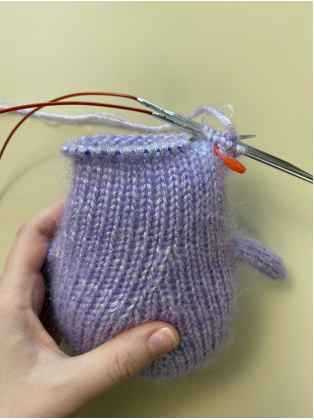
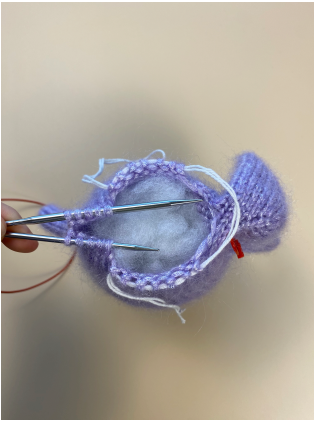
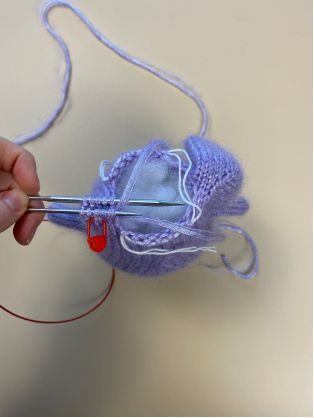
Knitting flat is usually easier for beginners since it only involves two needles. Knitting in the round (with double-pointed needles or circulars) eliminates the need for sewing seams but can be trickier to manage.
How do I sew toy pieces together neatly?
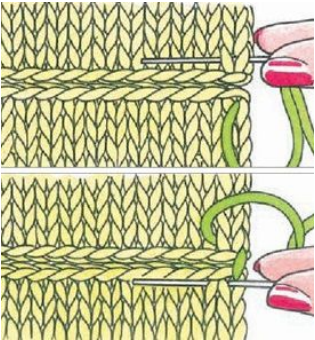
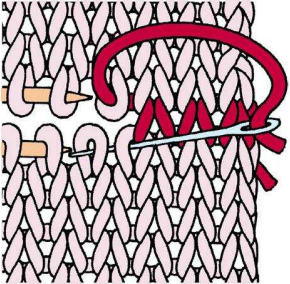
Use mattress stitch or whip stitch to join pieces smoothly. Stuff the toy as you sew, ensuring even distribution.
How do I make sure my toy is stuffed evenly without lumps?
Add stuffing in small amounts and distribute it evenly. Use a knitting needle or chopstick to push stuffing into tight corners.
How can I modify a pattern to change the size of my toy?
Use thicker yarn and larger needles for a bigger toy or finer yarn and smaller needles for a mini version.
How do I fix mistakes like dropped stitches in toy knitting?
If you notice a mistake early, carefully unravel back to the error. If the mistake is minor and doesn’t affect shaping, you can often hide it within the stuffing or seams.
What’s the best way to shape the toy’s face for a cute expression?
Facial features make a huge difference! Position eyes slightly closer together for a cuter look, and use a simple embroidered smile or nose to add charm.
Why Knit Toys?
Knitting toys is not just fun—it’s rewarding! You get to create something adorable, personal, and full of love. Plus, they make perfect handmade gifts for kids and adults alike.
And let’s not forget the therapeutic benefits—knitting has been shown to reduce stress and increase relaxation. What better way to unwind than by creating a new cuddly friend? 🧶✨
If you’ve never tried knitting toys before, now is the perfect time to start! With a few simple skills, some patience, and a touch of creativity, you’ll be able to bring your own handmade characters to life.
So, what toy are you going to knit first? Maybe a cute bunny, a sleepy cat, or a tiny elephant? Whatever it is, just enjoy the process—because every stitch brings your little creation to life. 💕
Happy knitting! 🧶✨